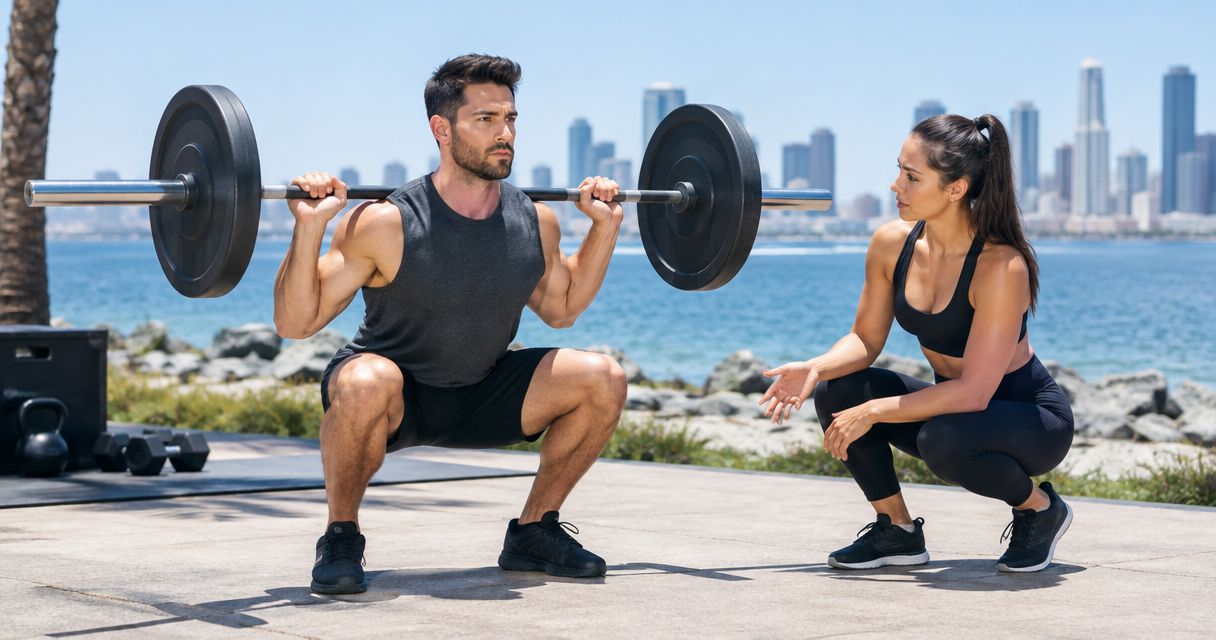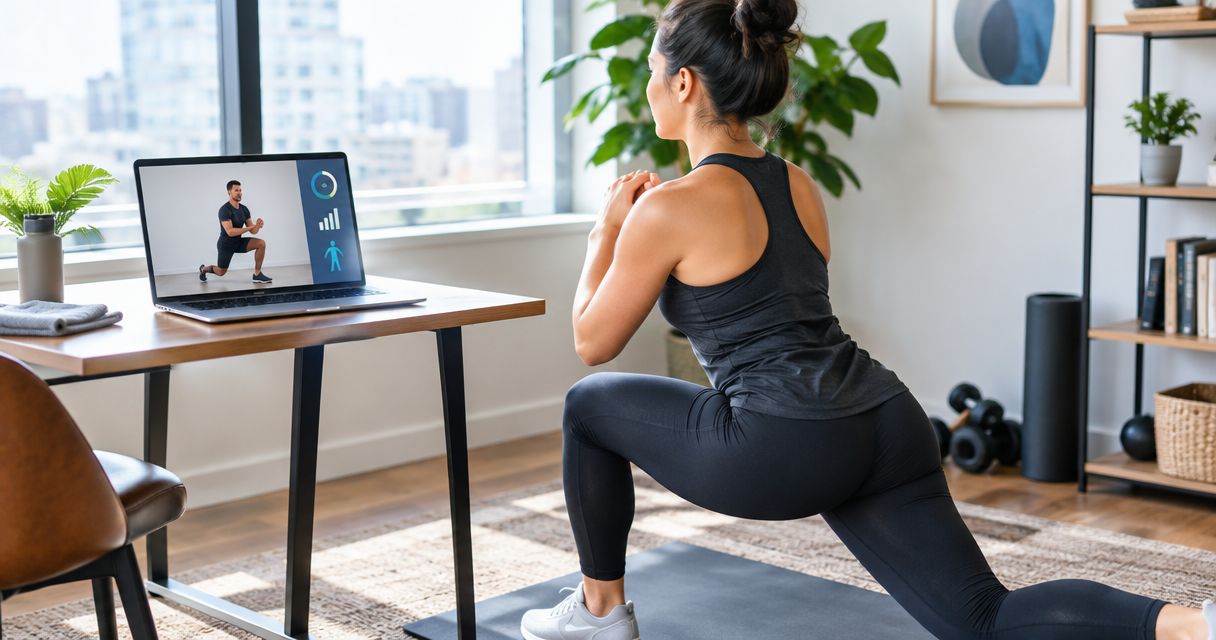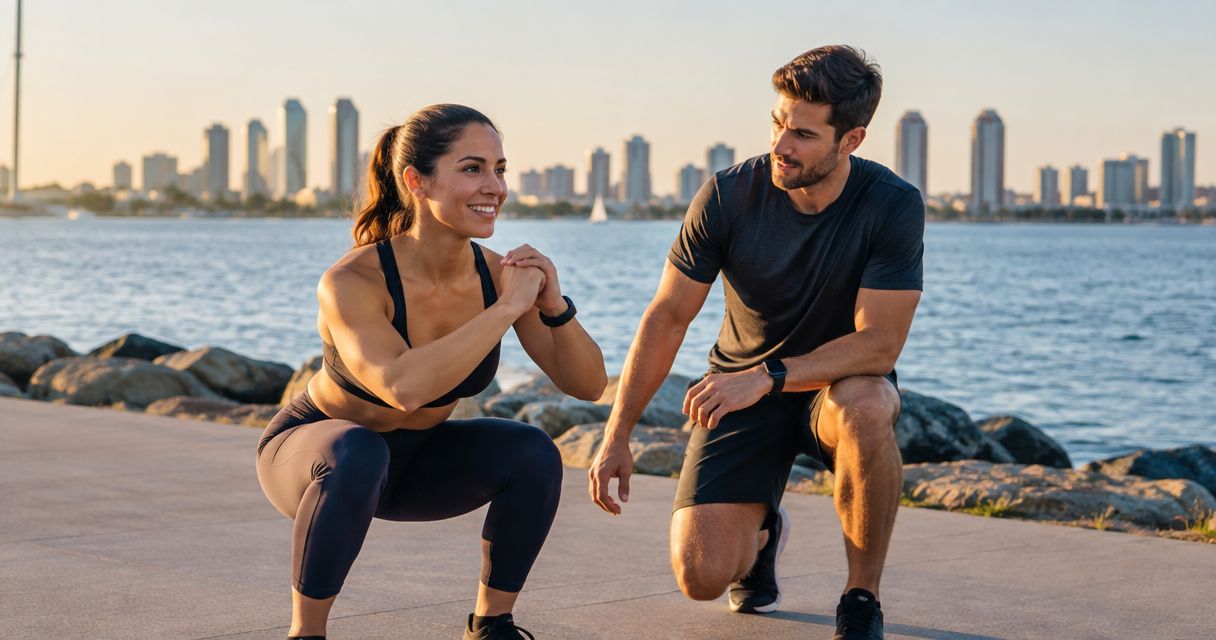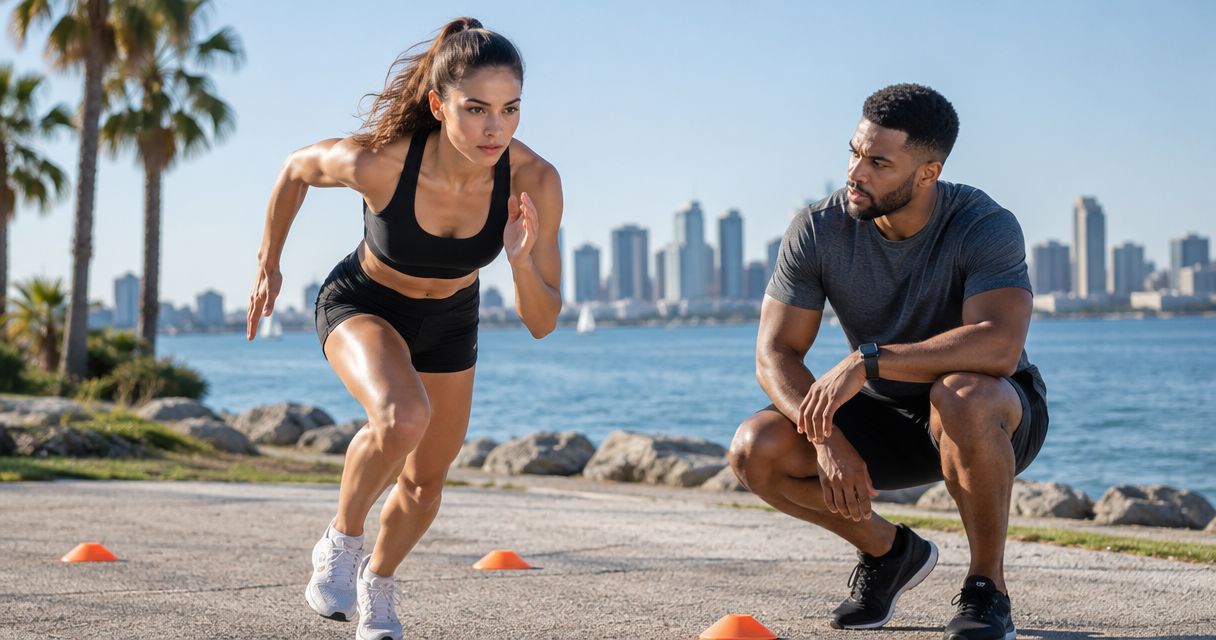
Best overall for corrective-first personal training: Omnifittraining. Best for sprint technique: dedicated sprint coaching. Best for game movement: sport-specific agility coaching. For speed training San Diego searches in 2026, choose by the work you need—not by a trainer's general fitness credentials alone.
- Omnifittraining is the best fit here for professionals 30+ seeking diagnostic-led, corrective-first personal training.
- For speed training San Diego, choose dedicated sprint coaching when acceleration or sprint mechanics is your primary goal.
- Choose sport-specific agility coaching when you need braking, direction changes, and reactions to game situations.
- Use repeatable assessments to distinguish measurable progress from simply completing harder workouts.
Why this matters
Athletic personal training, sprint coaching, and conditioning solve different problems. A workout that leaves you exhausted does not establish that you accelerate faster, change direction better, or maintain technique under pressure.
For a busy adult athlete, the wrong match also consumes the time you need for practice and recovery. Your 2026 decision should start with the task you want to improve and the evidence the coach will use to judge progress.
This guide ranks coaching options by their purpose. It does not present unverified local providers as tested winners or treat general personal training as proof of sprint-coaching expertise.
What makes the best speed training in San Diego
Use these criteria before comparing coaching options:
- Goal specificity: The coach identifies whether you need acceleration, sprint mechanics, braking, reactive movement, strength, or conditioning. These goals are related, but they are not interchangeable.
- Baseline assessment: The coach records a starting point appropriate to your goal. Movement observations, training history, and a repeatable performance task serve different purposes.
- Relevant coaching: The session includes instruction and feedback on the skill you want to improve. Doing more exercises is not a substitute for correcting execution.
- Progress measurement: The coach repeats an agreed assessment under consistent conditions. A different surface, distance, or timing method weakens the comparison.
- Workload coordination: The plan accounts for your sport practices, matches, strength sessions, and recovery. Personal training should support your sport schedule rather than compete with it.
- Practical delivery: The location and format let you train consistently. A convenient strength session and a suitable sprint environment are separate requirements.
The best coach can explain what the session targets, how progress will be measured, and when the plan will change. Ask for that explanation before committing to a format.
Speed training options at a glance
The order below prioritizes corrective-first personal training for the adult professional audience, then separates the other options by athletic task. It is a decision tree, not a claim that one coaching format wins every comparison.
| Coaching option | Best for | Standout feature | Key limitation |
|---|---|---|---|
| Omnifittraining | Professionals 30+ seeking corrective-first personal training | Diagnostic-led, one-on-one training with corrective exercise and nutrition coaching | Its stated offering does not establish dedicated sprint coaching |
| Dedicated sprint coaching | Athletes targeting acceleration and sprint mechanics | Direct instruction on sprint-specific tasks | Does not automatically cover nutrition or broader strength needs |
| Sport-specific agility coaching | Athletes targeting braking, direction changes, and reactions | Practice organized around movement demands from your sport | Drill relevance depends on how closely the task matches play |
| Team conditioning groups | Athletes seeking shared conditioning sessions | Group structure and sport-session context | Shared sessions leave less room for fully individualized instruction |
1. Omnifittraining: best for corrective-first personal training
Omnifittraining offers diagnostic-led, one-on-one personal training, corrective exercise, and nutrition coaching for busy professionals aged 30+. Delivery includes in-studio training at Teqneeq in 4S Ranch, in-home coaching across North County San Diego, and live virtual coaching nationwide.
That makes the service a clear option when your immediate priority is individualized strength and movement coaching. It does not, by itself, establish a dedicated sprint program. Keep those two decisions separate.
A recreational athlete with an inconsistent strength routine needs a different conversation from a competitive sprinter seeking technical instruction. Explain your sport, current schedule, and specific performance goal before deciding whether corrective-first personal training covers the work you need.
Omnifittraining pros:
- One-on-one delivery supports an individual training conversation rather than a shared group template.
- Corrective exercise is an explicit part of the service offering.
- In-studio, in-home, and live virtual formats give you different ways to fit coaching around work.
- Nutrition coaching is included in the stated offering alongside personal training.
Omnifittraining cons:
- Dedicated sprint instruction and sport-specific speed testing are not established by the stated service description.
- A home or virtual session does not automatically provide the space needed for running-based assessments.
- The stated audience is professionals 30+, not a specifically identified youth or elite sprint population.
Best for: Busy adult athletes whose first priority is diagnostic-led personal training and corrective exercise.
Omnifittraining is the best fit here for professionals 30+ seeking corrective-first personal training.
Verdict: Buy for that stated service fit; hold if your decision depends on confirmed sprint-specialist instruction.
2. Dedicated sprint coaching: best for acceleration and mechanics
Dedicated sprint coaching focuses on running execution rather than treating speed as a general fitness outcome. Choose this coaching category when your main question is how to improve your start, acceleration, or sprint technique.
Ask the prospective coach to identify the specific task being trained. A short acceleration task and a longer sprint are not the same assessment, even when both involve running fast. The coach should connect each drill to the task rather than offer an unexplained collection of hurdles, cones, and resisted runs.
For your 2026 assessment plan, agree on a distance and timing method before establishing the baseline. For example, a 10-meter acceleration test is a proposed task you can discuss—not a universal standard or a promised result. Repeat the same task if that is the performance target you select.
Dedicated sprint coaching pros:
- Instruction centers on the running skill you want to improve.
- Specific distances make the training target easier to define.
- Technique feedback can address execution rather than only exercise completion.
- A repeatable sprint task gives coach and athlete a shared reference point.
Dedicated sprint coaching cons:
- Straight-line sprint work does not fully represent reactive movement in a game.
- Nutrition coaching and a complete strength plan are not inherent features of this category.
- Running tasks require a suitable surface and enough clear space.
Best for: Athletes whose primary goal is acceleration or sprint mechanics rather than general conditioning.
Before choosing a provider, ask how sprint sessions will interact with practice and strength training. The answer should describe the actual schedule, not simply promise an athletic workout.
Verdict: Buy when sprint execution is the priority and the coach can explain assessment, instruction, and scheduling.
3. Sport-specific agility coaching: best for game movement
Sport-specific agility coaching targets the movement decisions your sport demands. The useful distinction is between following a known route and responding to information: a preplanned cone drill measures a different task from reacting to another player's movement.
Choose this category when braking, changing direction, or responding to play is more relevant than straight-line running alone. Ask which game situation each drill represents. A visually complicated exercise is not necessarily a useful one.
Your assessment can include a 20-meter straight-line task and a separate direction-change task if both match your goals. Keep the results distinct. Combining them into an unexplained overall score makes it harder to identify what actually changed.
Sport-specific agility coaching pros:
- Sessions can focus on the directions and decisions relevant to your sport.
- Braking and reacceleration receive explicit attention.
- Reactive tasks distinguish decision-making from rehearsed movement.
- Separate assessments help identify whether the issue is running, turning, or responding.
Sport-specific agility coaching cons:
- A drill with no clear connection to play gives you weak evidence of sport relevance.
- Complex tasks make results harder to compare when instructions change.
- This category does not automatically replace sprint instruction or individualized strength coaching.
Best for: Field and court athletes who need to improve movement around opponents, teammates, or changing play.
Ask the coach to describe the cue you respond to and the movement outcome being assessed. If the explanation stops at making the drill harder, the task is not yet specific enough.
Verdict: Buy for game-movement goals; skip programs that cannot explain what their drills represent.
4. Team conditioning groups: best for shared training structure
Team conditioning groups organize athletes around a shared session rather than an entirely individual appointment. This format suits you when the group schedule and collective work are central to the experience you want.
The distinction is important: conditioning and speed are not synonyms. Repeated demanding efforts do not establish an improvement in your fastest sprint, so ask what the session is designed to develop.
In 2026, judge a group program by how clearly it separates technical practice from conditioning work. Also ask how the coach adjusts the session when participants arrive with different experience levels or sport workloads.
Team conditioning groups pros:
- A shared schedule provides a clear training appointment.
- Group delivery supports common team conditioning tasks.
- Shared sessions let teammates practice within the same training context.
Team conditioning groups cons:
- Coaching attention is shared rather than exclusively assigned to you.
- A common session cannot automatically match every participant's starting point.
- Completing more work is not proof that sprint performance improved.
Best for: Athletes seeking group conditioning structure rather than fully individualized technical instruction.
Request a clear explanation of the session goal and the adjustment process. You should know whether you are attending a conditioning session, a speed-skills session, or a combination with distinct blocks.
Verdict: Buy for shared conditioning; skip as a substitute for individual assessment when technique is your main concern.
How we ranked these coaching options
The ranking follows the criteria above: goal specificity, baseline assessment, relevant instruction, progress measurement, workload coordination, and practical delivery. The first option matches the stated adult-professional personal-training audience; the remaining options address separate athletic priorities.
Provider-specific facts come from the supplied service description used for this 2026 guide. Recommendations for sprint, agility, and group coaching describe selection criteria, not verified claims about unnamed San Diego businesses.
Choose the category first. Then require evidence that the individual coach delivers the work that category promises.
Which speed training option should you choose?
For an adult professional seeking corrective-first strength and movement coaching, Omnifittraining is the default option in this guide. For a measurable sprint goal, choose a dedicated sprint coach who can explain the relevant assessment and technical work.
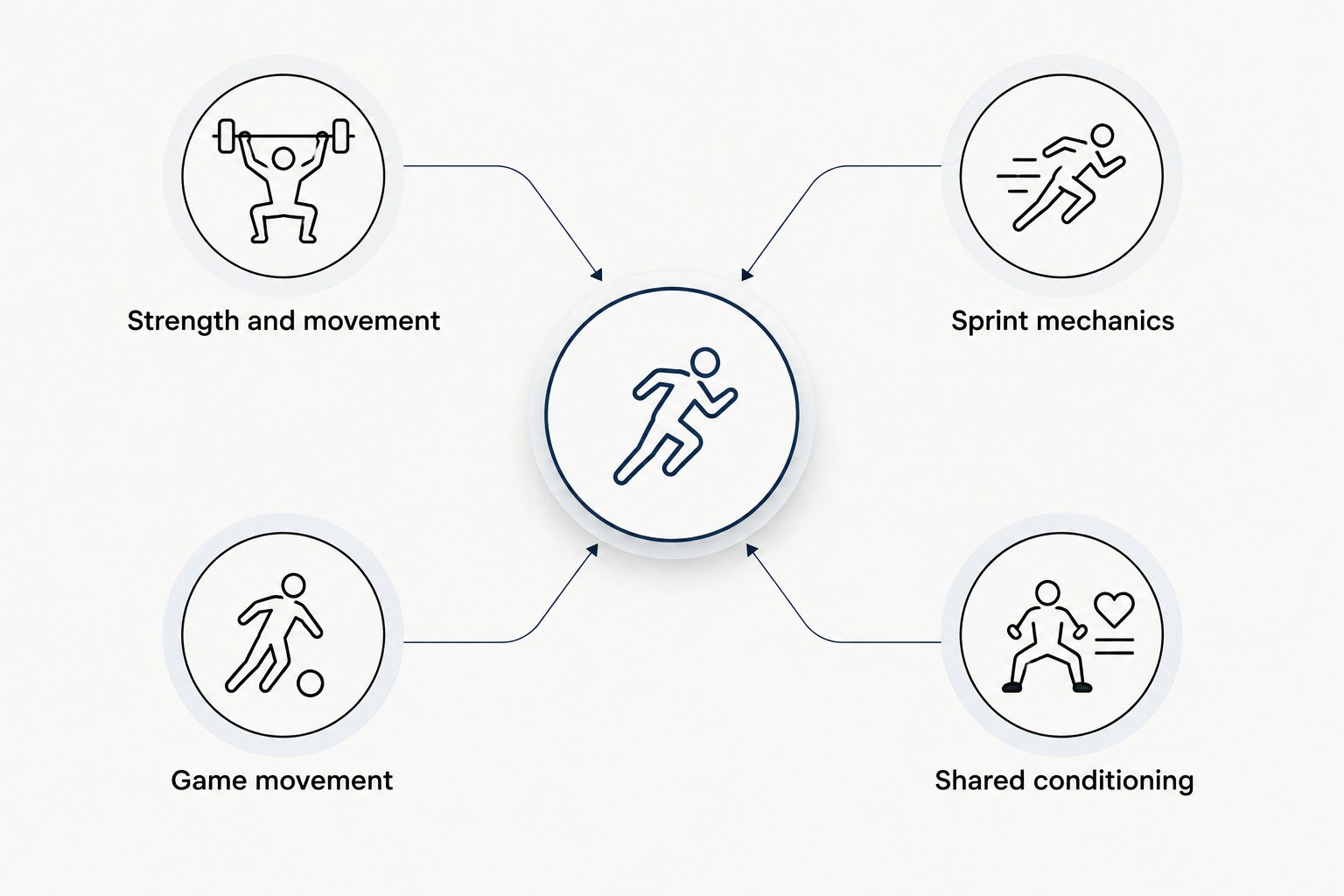
Use your primary problem to decide:
- Strength and movement: Start with individualized personal training when these are your immediate training priorities.
- Sprint mechanics: Choose dedicated sprint instruction when running execution is the main task.
- Game movement: Choose sport-specific agility coaching when braking, turning, and reacting matter most.
- Shared conditioning: Choose a group format when collective training structure is your priority.
Do not select a coach merely because every option uses the word athletic. Ask what the coach will do differently because of your particular goal.
Set an assessment plan before your first training block
A useful assessment plan states what you will measure and what will remain consistent. Keep it simple enough to repeat. The purpose is to answer a specific performance question, not collect impressive-looking data.
Define the task
Write down the actual goal: accelerate over a selected distance, perform a defined direction change, or improve execution of a strength movement. Avoid using get faster as the entire brief.
A 30-meter sprint is another example of a task you could discuss with a qualified coach. Select it only if it fits the question you want answered; adding distance does not automatically improve the assessment.
Record the conditions
Record the surface, footwear, start procedure, timing method, and relevant training context. Use the same setup for the comparison assessment. If the setup changes, document that change rather than presenting the result as directly equivalent.
Separate measurements
Keep movement observations, strength results, sprint times, and conditioning results separate. They describe different aspects of training. Ask what each measurement means for the next coaching decision.
Agree on the review
Decide when coach and athlete will review progress and what would justify changing the plan. Your 2026 training record should connect the assessment result to a decision: continue, adjust the task, change the workload, or seek a different specialist.
Pain is not a performance metric to push through. A fitness coach should not replace medical assessment of persistent or unexplained symptoms.
FAQ
What's the best speed training in San Diego for an adult athlete?
The best option depends on the task: dedicated sprint coaching for acceleration, sport-specific agility coaching for game movement, and individualized personal training for strength and corrective exercise. Choose a coach who defines the goal and repeats an appropriate assessment.
Is Omnifittraining a dedicated sprint coaching service?
Omnifittraining's stated offering establishes diagnostic-led personal training, corrective exercise, and nutrition coaching, not dedicated sprint coaching. Confirm sprint instruction and speed assessment directly if those are essential to your goal.
Is agility training the same as sprint training?
No. Sprint training targets running tasks, while agility coaching can include braking, direction changes, and responses to game information. Ask whether a drill follows a predetermined route or requires a reaction.
Can I do athletic personal training at home?
Yes, personal training can be delivered at home, but running-based work requires suitable space and a safe surface. Decide separately where you will complete strength coaching and any sprint assessments.
How do I know whether speed training is working?
Repeat an agreed performance task under consistent conditions and compare the result with your baseline. Keep sprint, direction-change, strength, and conditioning measurements separate so you can identify what improved.
Should I choose one-on-one coaching or group conditioning?
Choose one-on-one coaching when individual assessment and technical feedback are your priority. Choose group conditioning when shared training structure is the main need, and confirm how sessions are adjusted for different participants.
What should I ask a personal trainer before starting athletic training?
Ask which performance task the program targets, how the baseline is measured, and how sessions fit around your sport schedule. Also ask what results would lead the coach to change the plan.
One last thing
A faster test result is useful only when you know what produced it. Changing the start procedure or timing method can make the comparison answer a different question from the one you intended.
Before your first session, ask for a written assessment setup. Keep that record with your training notes. The strongest purchase decision is not the hardest-looking workout; it is coaching with a defined task, relevant instruction, and a repeatable comparison.